



What Gambling Sites Are Not: Unveiling the Myths and Realities
In the world of online gambling, misconceptions abound, leading to confusion and misinformation. Understanding what gambling sites are not on GamStop https://www.gamta.org.uk/ is just as important as recognizing what they are. This article aims to clarify the realities of gambling platforms, debunk common myths, and provide a clearer perspective on the gambling industry.
1. Gambling Sites Are Not Just for High Rollers
A prevalent myth is that online casinos and betting sites cater primarily to wealthy individuals or high rollers. In reality, most gambling sites are designed to accommodate players of all financial backgrounds. Minimum betting limits vary widely, with numerous platforms offering options as low as a few cents. Thus, even casual players with limited budgets can engage in the action.
2. They Are Not All Unregulated
Another common belief is that all online gambling sites operate without regulation or oversight. While there are indeed rogue operators, legitimate gambling websites are heavily regulated by gaming authorities in various jurisdictions. These regulations ensure fair play, proper licensing, and the protection of players’ rights. Reputable sites display their licenses prominently, allowing players to verify their legitimacy.
3. Gambling Sites Are Not Just Casinos
Many people associate online gambling solely with casinos, yet the landscape is much broader. Beyond traditional casino games, gambling sites offer sports betting, poker rooms, live dealer experiences, bingo, and even esports betting. This diversity allows users to explore different forms of gambling, catering to various interests and preferences.


4. They Are Not Always about Winning
Online gambling is often framed in the context of winning money, which can overshadow other aspects of the experience. While the potential for financial gain exists, players engage in gambling for various reasons, including entertainment, social interaction, and the thrill of competition. Understanding this can lead to healthier gaming habits and expectations.
5. Gambling Sites Are Not Immune to Addiction
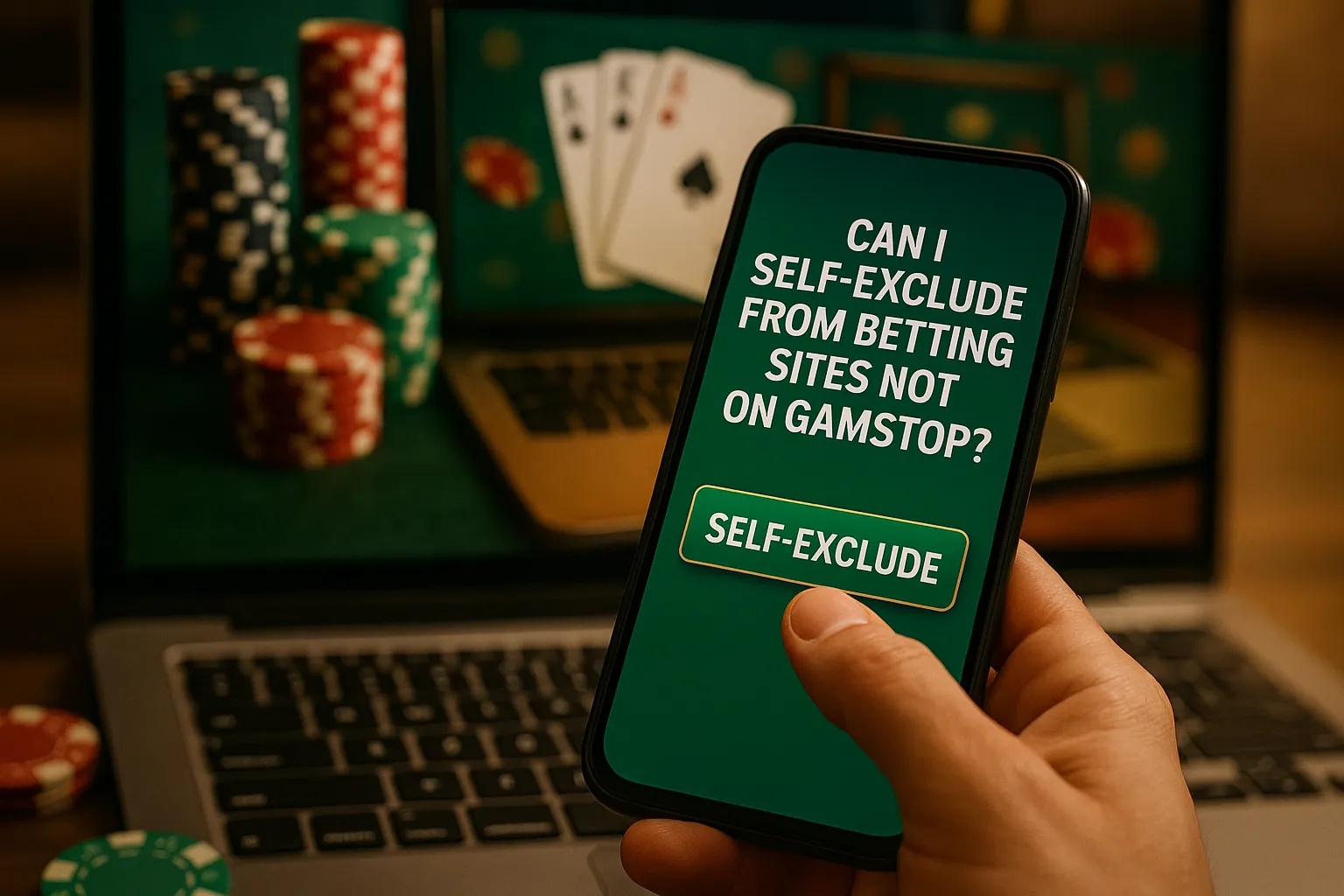
Many individuals mistakenly believe that online gambling is less addictive than traditional forms. Unfortunately, the convenience and accessibility of online platforms can, in fact, exacerbate gambling addiction for some. Awareness of this risk is critical, as responsible gaming initiatives and self-exclusion options are vital for ensuring player well-being.
6. They Are Not Always Fair
Players often assume that all gambling sites use fair algorithms and random number generators. However, the integrity of the gameplay depends on the operator. Reputable casinos use certified random number generators (RNGs) and undergo regular audits to ensure fairness. Always look for casinos that display certifications from third-party testing organizations.
7. Gambling Sites Are Not Forever
Players might think that once they create an account on a gambling site, it will always be available. However, websites can shut down, rebrand, or be heavily altered due to various reasons, such as regulatory changes, market demand, or financial issues. Therefore, players should regularly stay informed about the status of the sites they frequent.
8. They Are Not All Skill-Based
While games like poker do require skill, many gambling activities are predominantly chance-based. For example, slots, roulette, and craps are games of luck rather than skill. Understanding the difference can shape players’ approaches to various games, leading to more informed decisions regarding betting and gameplay strategies.
9. Gambling Sites Are Not a Guaranteed Profit
A significant misconception is that gambling sites can guarantee profit. In reality, all gambling involves inherent risks, and players should never gamble with money they cannot afford to lose. The house always has an edge in the long run, which means players are more likely to lose than win over extended periods.
10. They Are Not Isolated from Social Issues
The influence of gambling extends beyond the individual player. It colors societal attitudes and can lead to broader social and economic impacts. Awareness of these implications is crucial, fostering responsible gambling practices and supporting initiatives designed to mitigate the negative consequences of gambling addiction.
Conclusion
Understanding what gambling sites are not helps to demystify the online gambling experience and allows players to navigate the landscape more effectively. By acknowledging the realities, misconceptions, and complexities surrounding gambling, individuals can make informed choices, foster responsible gaming, and ultimately, enjoy their gaming experiences safely and sustainably.


